

Voices on Green Skills and Sustainability Careers - I
Cezeri Green Technology Vocational and Technical Anatolian High School, Ankara, Türkiye
How Green Skills Can Support Young People in Building Their Future Careers?
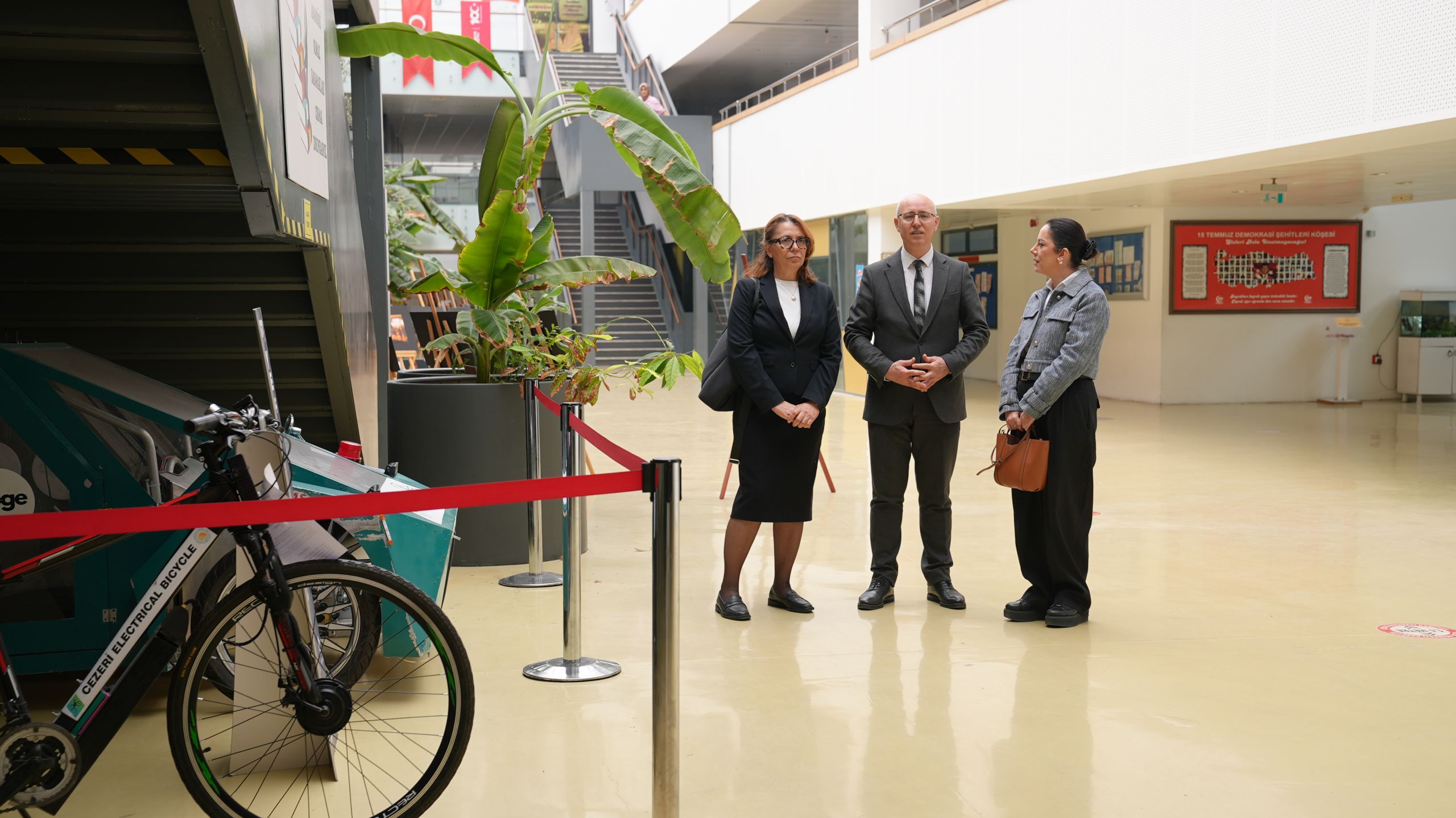
As part of the YouthGreen 5.0 Project's Green Awareness Campaign, the MEV Project team visited Cezeri Green Technology Vocational and Technical Anatolian High School in Ankara on 31 March 2026 and had the opportunity to observe the school activities and learn about the perspectives of the School Principal, Mr. İlker ERKMEN, on green technology skills and sustainability careers.
During the interview, Mr. İlker ERKMEN mentioned that the school is a unique project with a curriculum centered on renewable energy technologies, such as solar and wind energy systems. He evaluated the school's identity, its contributions to green technology, and the career guidance they offer to students, whom they see as part of a multi-dimensional transformation process aimed at building a highly competitive Turkey that contributes to global sustainability.
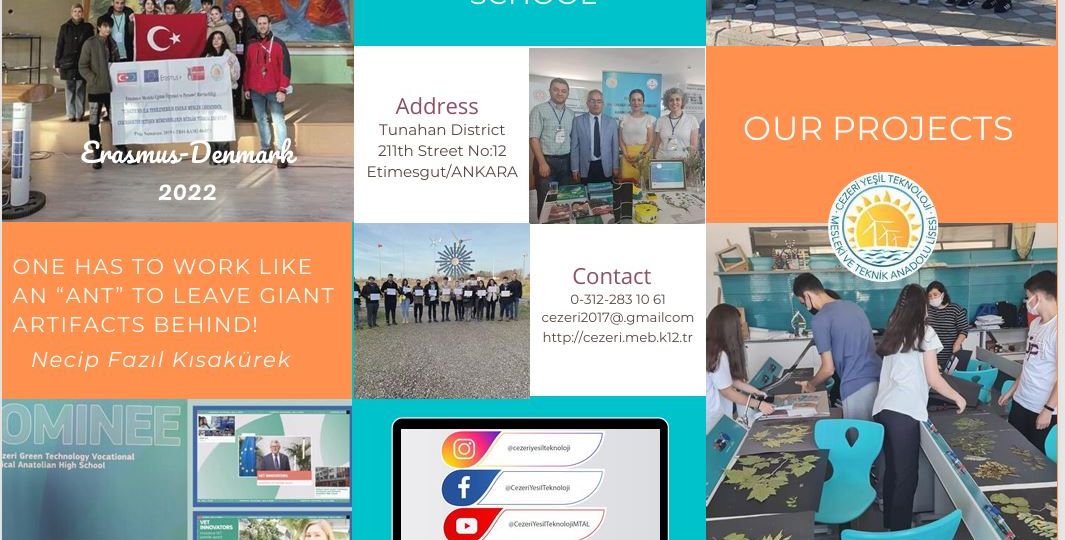
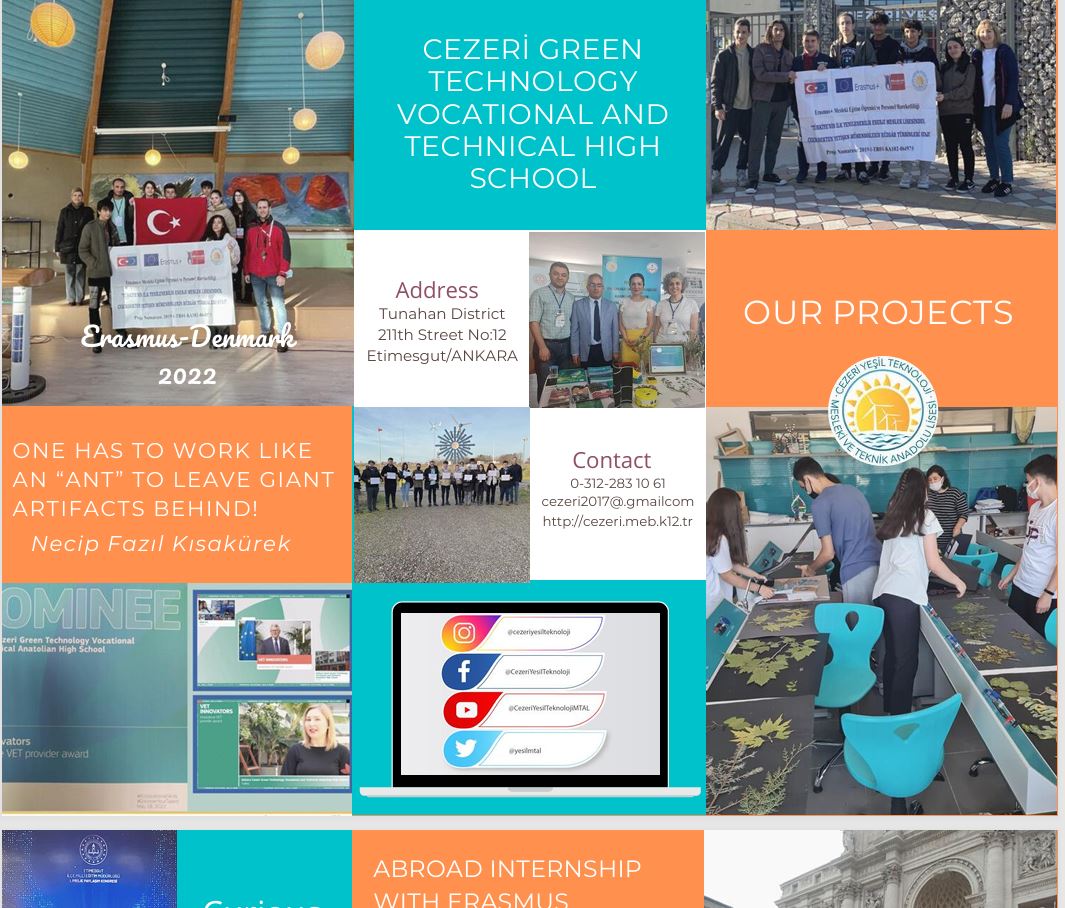
Cezeri Green Technology Vocational and Technical Anatolian High School was established in 2017 in the scope of "Project on Promoting Energy Efficiency in Buildings in Turkey" implemented by the Directorate General of Renewable Energy of the Ministry of Energy and Natural Resources with the financial support of United Nations Development Program (UNDP) and Global Environment Facility (GEF). The school, which admits 90 students annually, has a total program duration of 5 years: 1 year of English preparatory class followed by 4 years of academic and vocational education.
As of today, the school has 44 teachers and 331 students; it features 15 classrooms, 10 workshops, 9 vocational training labs, as well as physics, chemistry, and biology labs, along with various social, cultural, and sports facilities.
The school utilizes environmentally friendly energy sources (accounting for approximately 80% of its energy needs), including heating systems (radiators, geothermal heat pumps, and a solar-powered wall system) and lighting systems (solar chimneys). It also operates a boarding facility for students coming from remote areas.
The curriculum on renewable energy technologies includes instruction on the competencies required for the installation, operation, maintenance, repair, and troubleshooting of small- and large-scale power plants that generate electricity from wind and solar energy. The training curriculum is offered in two areas: (1) Solar Energy Systems and (2) Wind Energy Systems.
The curriculum on electrical and electronics technology includes areas such as professional development, electrical and electronic measurement, electrical and electronic fundamentals, and electrical and electronic technical drawing.
Joint curriculum topics of these two areas were professional development, renewable energy systems, vocational electrical-electronics, and renewable energy technical drawing.
(For more information click here)
Education and Career Opportunities: Students take the high school entrance exam to be admitted to this school. After completing their education and acquiring the necessary qualifications for the workforce, vocational high school graduates can pursue careers at companies operating in the wind and solar energy sectors. Students who wish to attend university after graduating from vocational high school may continue their education in undergraduate programs or relevant departments at vocational colleges if they pass the "University Entrance Exam."
Almost 30 percent of the curriculum is devoted to green technologies.
The school, which holds Erasmus accreditation and has won awards in numerous competitions, received the "Best Electric Vehicle Visual Design Award" at TEKNOFEST in 2021. In 2023, the team won the championship in the "Efficiency Competition: Electric Vehicle Races" category — the most prestigious category at TEKNOFEST.
The school, which is included in "the Innovative Classroom program" (equipped with flexible, modular furniture and advanced technological tools such as 3D printers, virtual reality (VR), and robotics kits, creating student-centered, modern learning environments, and participating in the European School Network Future Classroom Lab-FCL), gradually implemented by the Ministry of National Education, also produces robotics kits in its own workshops.
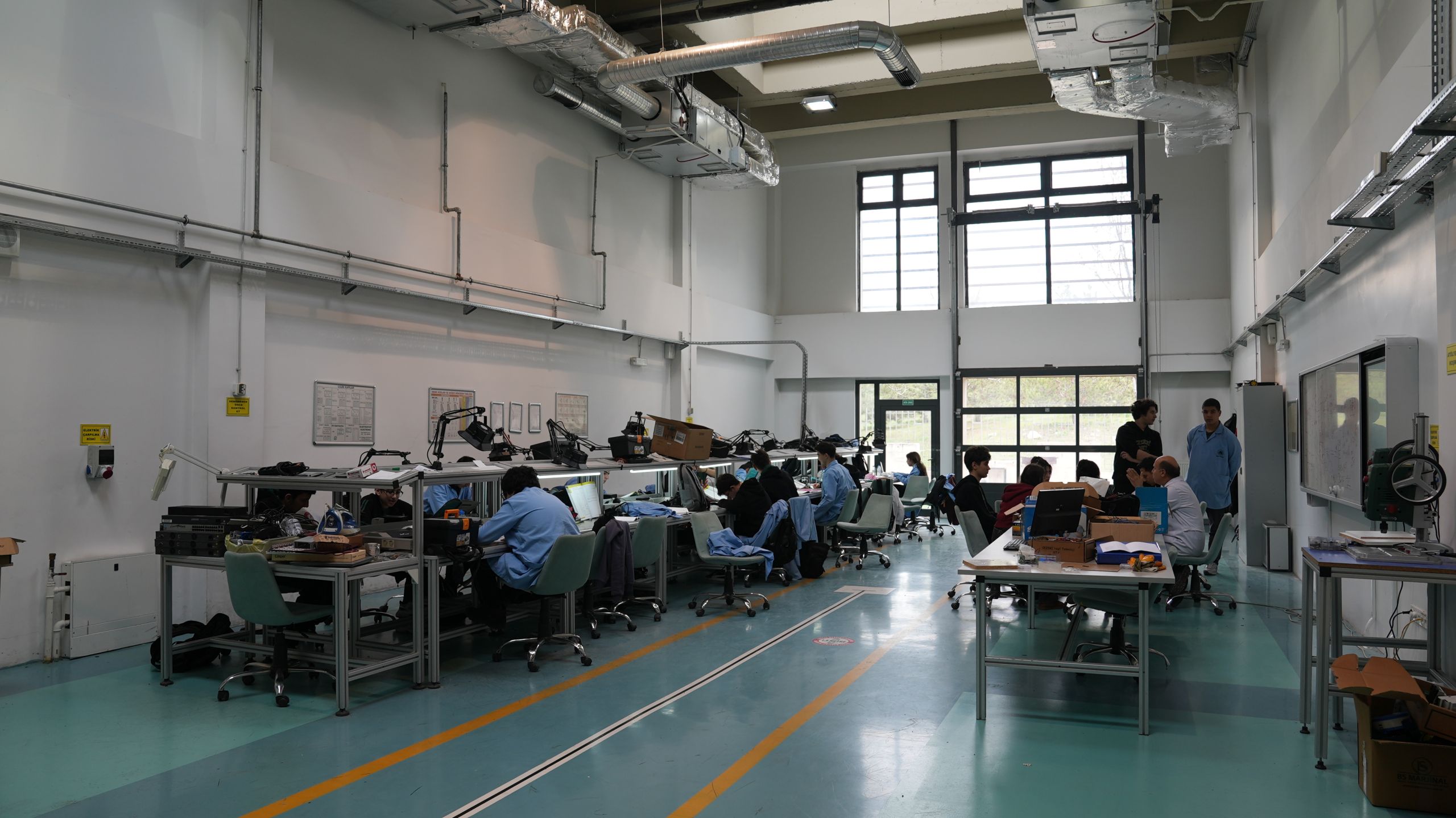
The Cezeri Renewable Energy and Electrical and Electronic Technologies Sectoral Center of Excellence is among the 15 Sectoral Excellence Centers opened in 5 different provinces across Türkiye under the supervision of the Ministry of National Education as part of the European Union-funded "Improving the Quality of Vocational and Technical Education Operation (METEK III)" Project.
The main purpose of the Center is to create opportunities that enable subject teachers in Türkiye to keep pace with innovations in the sector and to update their knowledge and skills to cultivate a well-equipped workforce that meets the sector's needs.
The Center received a second-place award in the "Most Innovative High Schools" category by the European Commission for the innovative technologies, augmented reality, and field applications developed by the students.
The Center performs the following tasks:
- Offers continuing vocational and technical education to meet the demands of the labor market.
- Participates in the processes of developing and revising standards, as well as developing education and training programs and curriculum design.
- Develops teaching, learning, and assessment documents, supporting materials, and other relevant instructional resources.
- Conducts competency needs analysis — analyzing the labor market in collaboration with partner companies from the relevant sector to identify the skills required by employers.
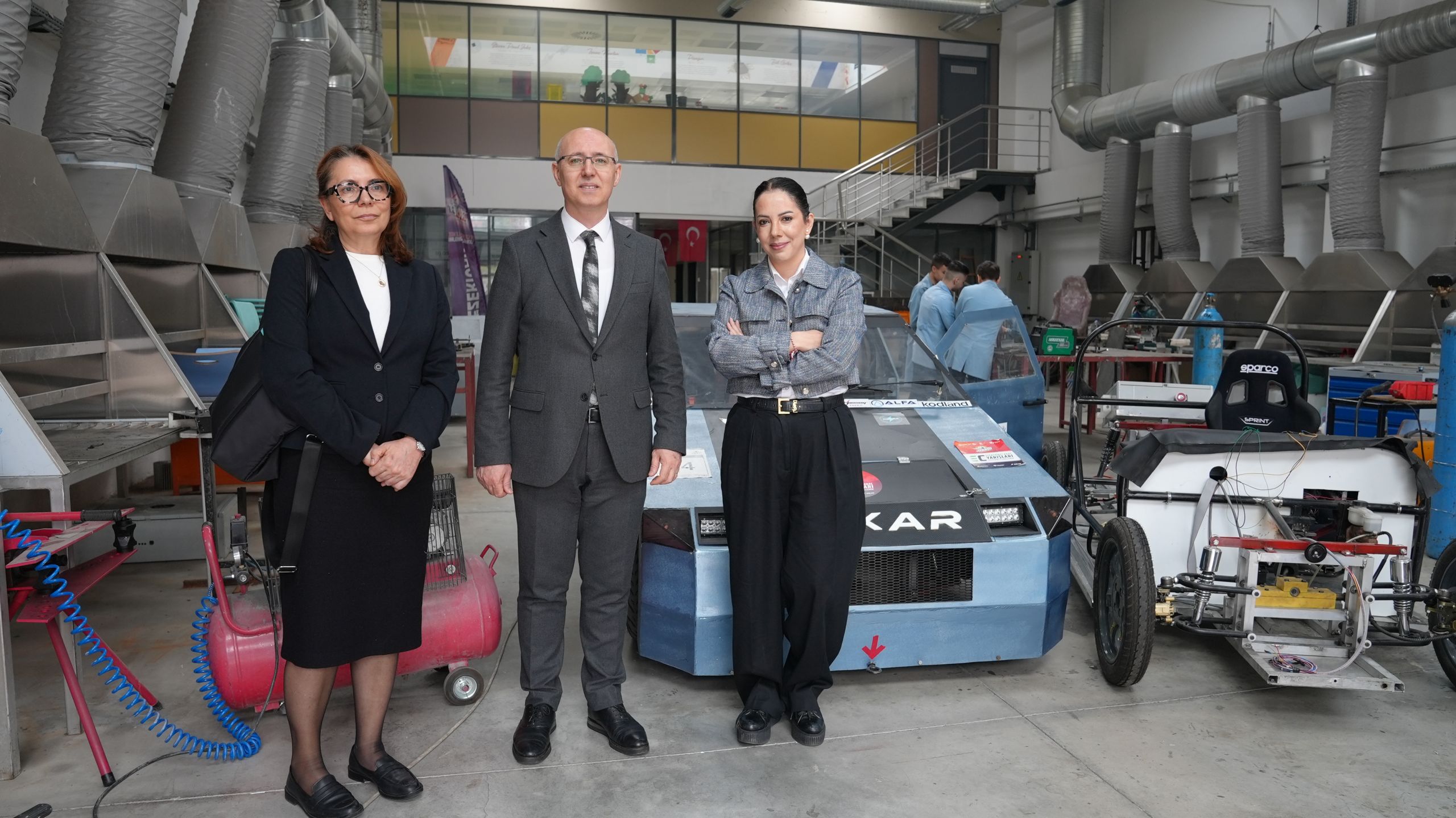
As time goes on, the need for clean energy solutions will continue to grow. Therefore, both the quantity and quality of the workforce must be increased to meet the demand in this field. For the same reason, our demand for teachers specializing in renewable energy is also growing proportionally. Teachers in this field must quickly adapt to innovative technologies and pass on this knowledge and these skills to their students.
Mr. Erkmen noted that the school's Center of Excellence supports teachers in enhancing their capabilities and has made progress by fostering collaborations both between industry and the vocational education sector and between universities and vocational education institutions. Looking ahead, he shared the view that there may be a need for specialized institutions designed to train a greater number of teachers in these fields.
At the end of the interview, the MEV project team proposed collaborating with students and teachers from the Cezeri Green Technology Vocational and Technical Anatolian High School within the scope of the YouthGreen 5.0 project. This collaboration may involve participation in various project activities, such as green skills training and youth boot camps.
We would like to thank the School Principal, Mr. İlker ERKMEN, our esteemed teachers, and all school staff for their dedicated work, and we wish all students success in their future green careers.
